
Sensor limit switch plays a crucial role in enhancing industrial automation safety systems by providing reliable position detection and precise control support. It ensures that machinery operates within safe boundaries, reducing risks, improving workflow consistency, and supporting smooth operational performance in automated environments. With increasing automation across industries, sensor limit switches have become essential components for maintaining safety, efficiency, and equipment protection.
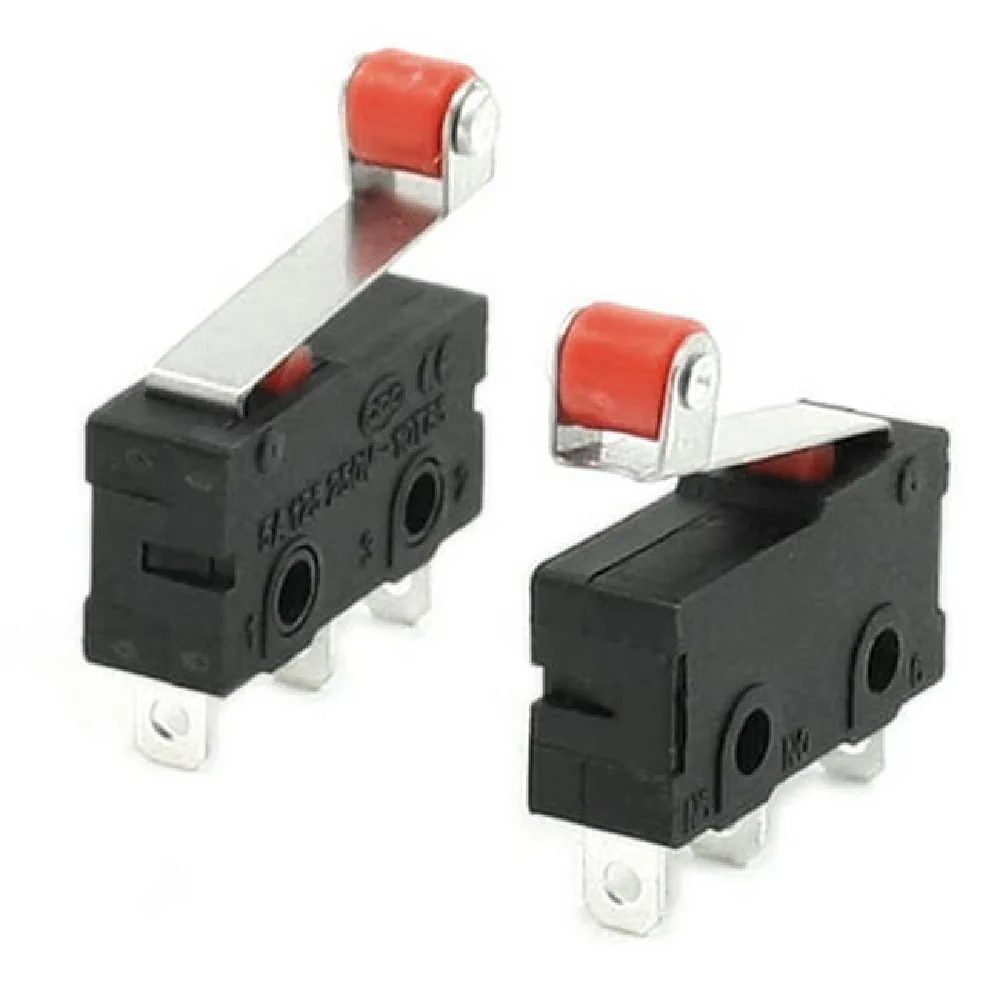
Importance of Sensor Limit Switch in Automation Safety Systems
Sensor limit switches act as fundamental devices that detect mechanical movement and trigger responses when predefined limits are reached, ensuring controlled operation.
- Enhances machine safety by preventing over-travel conditions in automated systems
- Improves accuracy in positioning components during repetitive industrial operations
- Supports early detection of mechanical faults for safer workflows
- Improve operational safety through reliable limit monitoring
- Enhance automation precision in repetitive tasks
Key Functional Advantages
Sensor limit switches offer reliable signaling, fast response, and consistent operation, making them highly valuable in automated industrial environments where precision is critical. Automation systems rely on limit switch sensor technology for detecting position changes and ensuring safe mechanical operations continuously.
- Provide consistent feedback for precise machine control systems
- Reduce downtime by enabling quick response to position changes
- Increase durability in demanding industrial conditions
- Enhance system reliability through accurate mechanical detection
- Support smooth integration in control systems
- Improve equipment lifespan through reduced mechanical stress
Safety Enhancements in Industrial Environments
These switches significantly contribute to safer workplaces by ensuring machinery halts or adjust when boundaries are exceeded, preventing accidents and equipment damage.
- Prevent accidental machine collisions through precise limit detection
- Support emergency shutdown functions for enhanced operator safety
- Maintain controlled movement in automated production lines
- Reduce wear and tear on machinery components
- Enhance workplace hazard prevention mechanisms
- Improve operational monitoring in critical zones
Operational Efficiency Benefits
Beyond safety, sensor limit switches improve operational efficiency by enabling smooth automation cycles, reducing manual intervention, and ensuring consistent production flow across systems.
- Optimize production speed with accurate motion control
- Reduce energy waste through efficient machine operation
- Minimize human errors in automated processes
- Improve system synchronization across multiple machines
- Increase automation responsiveness in production systems
- Support consistent output quality control
Applications Across Industrial Systems
Sensor limit switches are widely used in automated machinery, conveyor systems, robotics, material handling units, and assembly lines to ensure safe and efficient operation.
- Support robotic arm movement control in precision tasks
- Ensure safe conveyor belt operations in factories
- Enhance material handling system reliability and safety
- Improve assembly line coordination and workflow balance
- Strengthen robotic precision in automated environments
- Improve logistics handling efficiency
Future-Ready Automation Support
As industrial automation continues to evolve, sensor limit switches remain essential for building intelligent, responsive, and safe systems that adapt to modern production demands.
- Enable scalable automation system design
- Support integration with advanced control systems
- Improve long-term operational reliability
- Strengthen safety frameworks in evolving industries
- Support continuous improvement in automation systems
Sensor limit switches play a vital role in strengthening industrial automation safety systems by combining precision, reliability, and efficiency, making them indispensable components in modern industrial operations.

