
A battle belt IFAK is an essential part of a well-prepared tactical setup. The right pouch and medical arrangement can improve accessibility, comfort, and overall readiness during demanding situations. Choosing an IFAK with practical features helps create a reliable system that supports quick response and efficient organization.
Compact yet Spacious Design
A good battle belt IFAK should balance size and storage capacity. It needs to stay compact enough to avoid bulk while still carrying critical medical supplies.
Important design features include:
- Slim profile for reduced movement restriction
- Organized compartments for quick identification
- Lightweight construction for comfortable wear
- Expandable storage sections for extra supplies
- Secure closures to prevent accidental opening
A streamlined design allows smoother movement while maintaining access to essential items.
Fast Access Capability
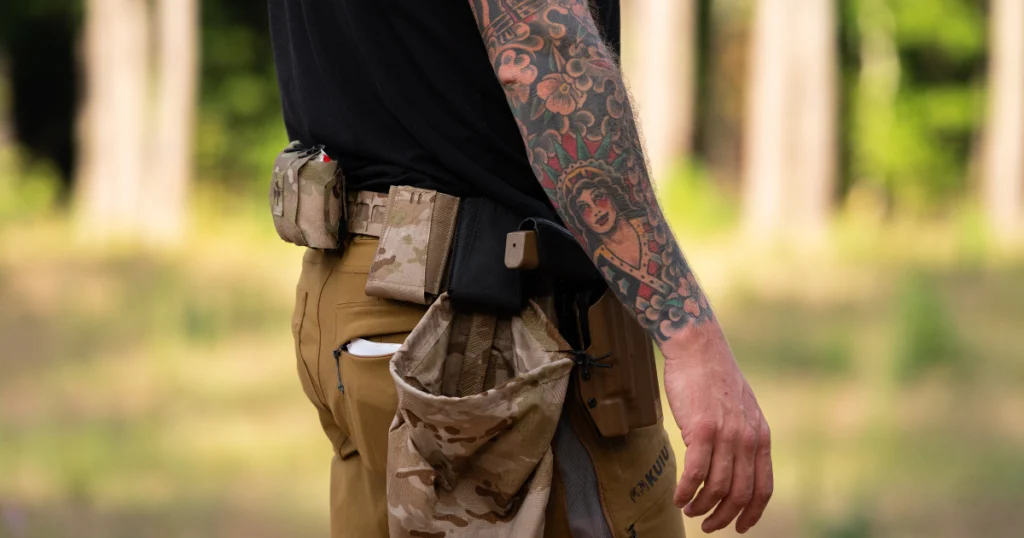
Quick access is one of the most valuable features in any IFAK. During emergencies, every second matters, so the pouch should allow immediate retrieval of supplies.
Helpful quick-access elements:
- Pull-away or detachable pouch systems
- Easy-grip handles for rapid opening
- Ambidextrous access from either side
- Smooth zipper movement
- Clearly arranged internal layout
Efficient access improves response time and helps maintain focus during stressful situations.
Durable Construction Materials
An IFAK used on a battle belt should withstand rough belt ifak environments and repeated use. Strong materials increase long-term reliability and help protect medical contents.
Durability features to prioritize:
- Reinforced stitching throughout the pouch
- Abrasion-resistant outer fabric
- Moisture-resistant material protection
- Strong attachment straps and buckles
- Heavy-duty zipper systems
Durable construction ensures the pouch remains dependable during outdoor activities and tactical movement.
Secure Belt Attachment System
A stable attachment system prevents unwanted shifting while walking, running, or kneeling. A properly secured IFAK improves comfort and consistency during movement.
Useful attachment qualities include:
- Firm mounting compatibility with tactical belts
- Anti-slip positioning support
- Quick installation and removal options
- Low-profile attachment points
- Stable retention during active movement
A secure fit keeps the pouch accessible without interfering with mobility.
Smart Internal Organization
Internal organization plays a major role in efficiency. Well-placed compartments help separate medical tools and reduce confusion during urgent situations.
Valuable organizational features:
- Elastic retention loops for supplies
- Clearly divided storage sections
- Mesh pockets for visibility
- Dedicated trauma item placement
- Minimal clutter inside the pouch
A well-organized interior helps users locate supplies quickly and maintain better control during emergencies.
Comfort and Mobility
Comfort matters when wearing a battle belt for extended periods. An IFAK should support natural movement without creating pressure or imbalance.
Comfort-focused features include:
- Lightweight profile for reduced fatigue
- Rounded edges to prevent irritation
- Flexible construction for easier movement
- Balanced weight distribution
- Minimal bulk around the waistline
Better comfort encourages consistent use and improves overall efficiency during long activities.
Visibility and Identification
An effective IFAK should be easy to identify, especially in low-light or high-pressure situations.
Helpful visibility features:
- Clearly marked medical identifiers
- Bright pull tabs for quick recognition
- Reflective details for low-light access
- High-contrast zipper handles
- Distinct compartment labeling
Improved visibility helps speed up response and reduces unnecessary searching.
Selecting the right battle belt IFAK involves more than appearance alone. Features such as rapid access, durable construction, organized storage, and secure attachment can greatly improve performance and preparedness. A thoughtfully designed IFAK supports confidence, mobility, and readiness while keeping essential medical supplies close at hand whenever they are needed most.

