
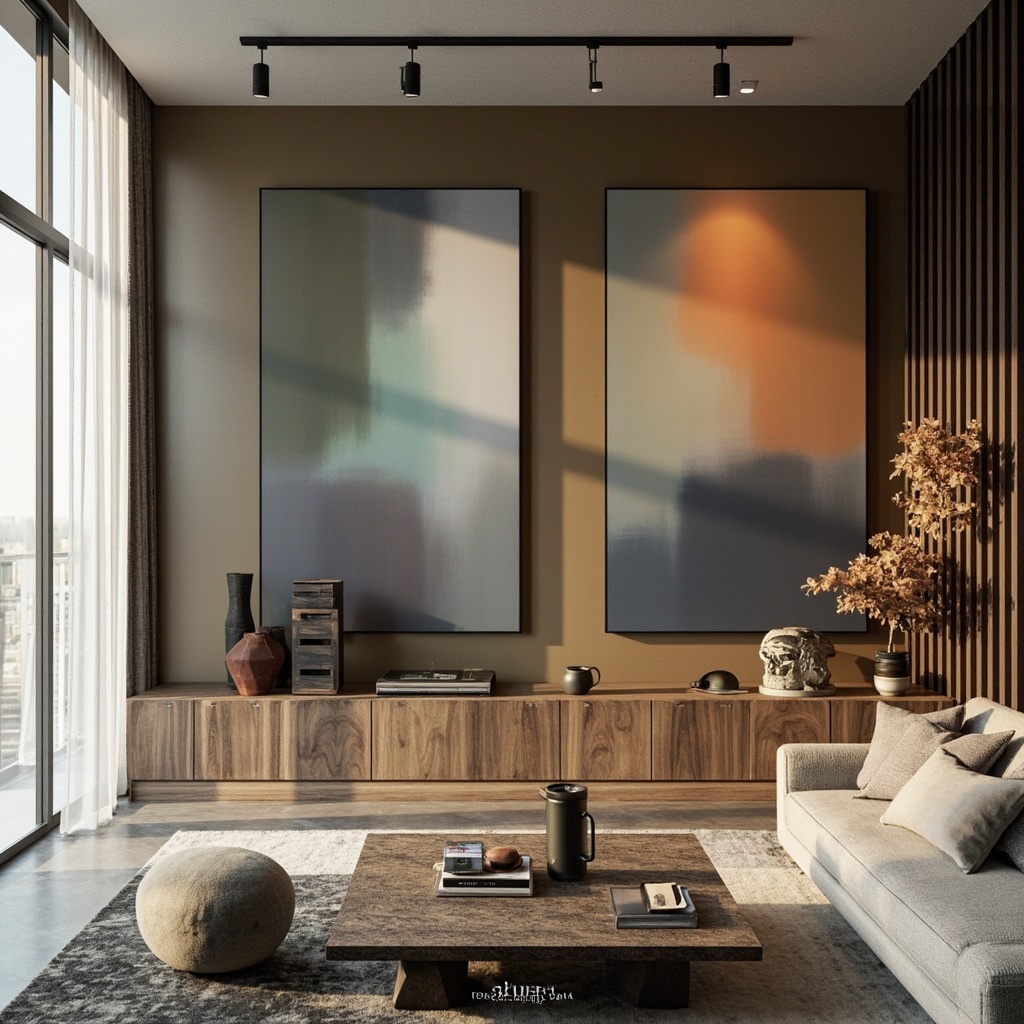
 You walk into a room and something feels off. The furniture is expensive, the layout is smart, but the light bounces wrong. The metals clash. The finishes scream at each other. That is the silent killer of interior design, and anodized Aluminum Alloy Baseboard is the quiet assassin that fixes it. Forget the plastic-coated, painted, or powder-coated imposters. Anodized aluminum is not a coating; it is a transformation. The metal itself becomes the color. It does not chip, peel, or fade into that sad, chalky mess you see on cheap fixtures after a year of sunlight. This is the material you choose when you want your space to look intentional, not decorated.
Let us cut through the noise. The real power here is the color spectrum. Anodizing allows for a depth that paint simply cannot mimic. You get a metallic luster that shifts with the light, a subtle, living finish. For interiors, this is a weapon. Think about a matte charcoal anodized aluminum frame around a warm oak door. The contrast is not just visual; it is textural. The cool, hard metal against the organic grain of the wood creates a tension that feels expensive. Or consider a champagne gold anodized handrail against a deep navy wall. It catches the eye without screaming for attention. That is the trick. Anodized colors absorb and reflect light in a way that feels integrated, not applied.
Here is the practical guide that most people get wrong. Do not match your metals. Match the undertones. If your room has warm lighting, warm woods, and beige stone, do not throw in a cool silver anodized aluminum. You need a bronze or a warm grey. If your space is crisp, modern, and full of cool blues and whites, go for a clear or a sleek, dark gunmetal. The anodized finish acts as a bridge. It picks up the ambient color of the room and reflects it back with a metallic punch. That is why it works so well for light fixtures, cabinet pulls, and even baseboards. It is not a statement piece; it is the connective tissue that holds the design together.
The biggest advantage? Maintenance. A painted surface is a hostage. You cannot scrub it hard, you cannot put it near a window with direct sun, and you definitely cannot touch it with a dirty hand. Anodized aluminum laughs at that. The color is part of the metal structure. Wipe it down with anything. It resists corrosion, it does not fingerprint like stainless steel, and it will look the same ten years from now as it did the day it was installed. For high-traffic interiors, kitchens, bathrooms, and commercial lobbies, this is not a luxury. It is a necessity.
Do not be afraid to go bold. A deep, saturated red or a vibrant blue anodized aluminum accent wall? It sounds aggressive, but when the light hits it, the metallic sheen softens the color into something sophisticated. It is not a flat, plastic toy look. It is a jewel. Pair it with matte textures and natural fibers. The contrast will make the space feel alive. The key is restraint. Use anodized aluminum as the accent, the detail, the thing that people notice last but miss first. That is the mark of a well-designed interior. It is not about what you see. It is about what feels right. And anodized aluminum, when matched correctly, feels absolutely right.

